In today’s day and age, everything is much more accessible, and with more options, there comes confusion.
With all the technological advancements, smartphones today are packed with features that can beat even the most entry-level cameras.
Smartphones now have studio-like image quality.
With the continuous advancements in smartphones, modern and mirrorless cameras are also pushing boundaries in potential.
In the Indian market, there is a boom for visual content across social media in all genres, whether travel or any other online content.
What gear you want to use completely depends on the kind of content you want to produce and how you want your audience to see the world.
It’s completely your decision if you want to update your gear or not.
The Evolution of Smartphone Cameras in India
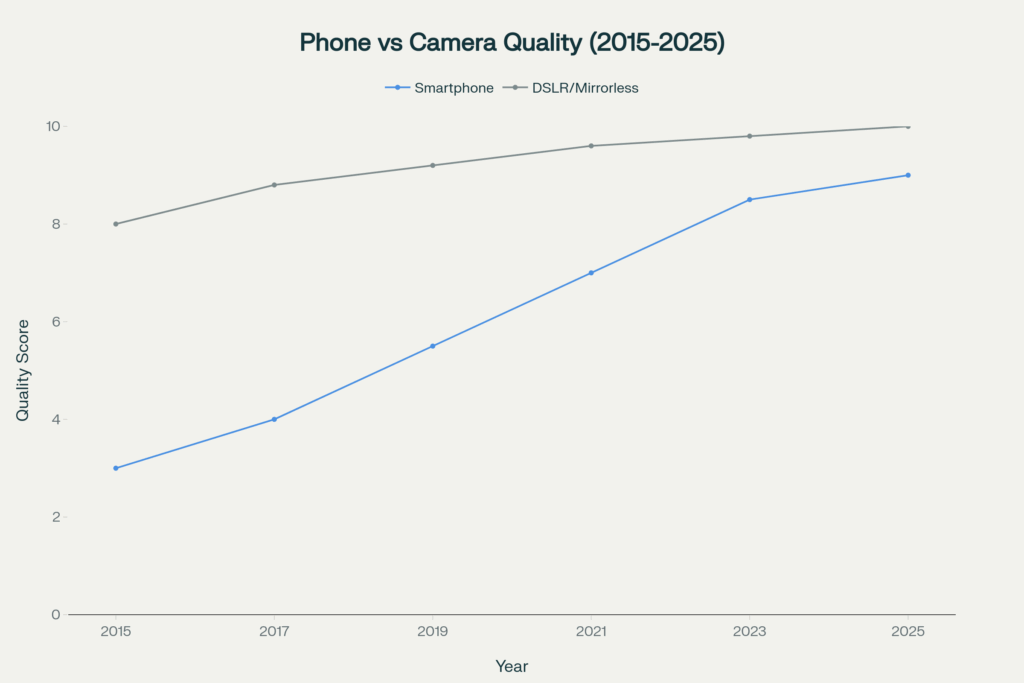
Over the past few years, photography has also evolved, and along with that, the cameras and smartphone technology have advanced too.
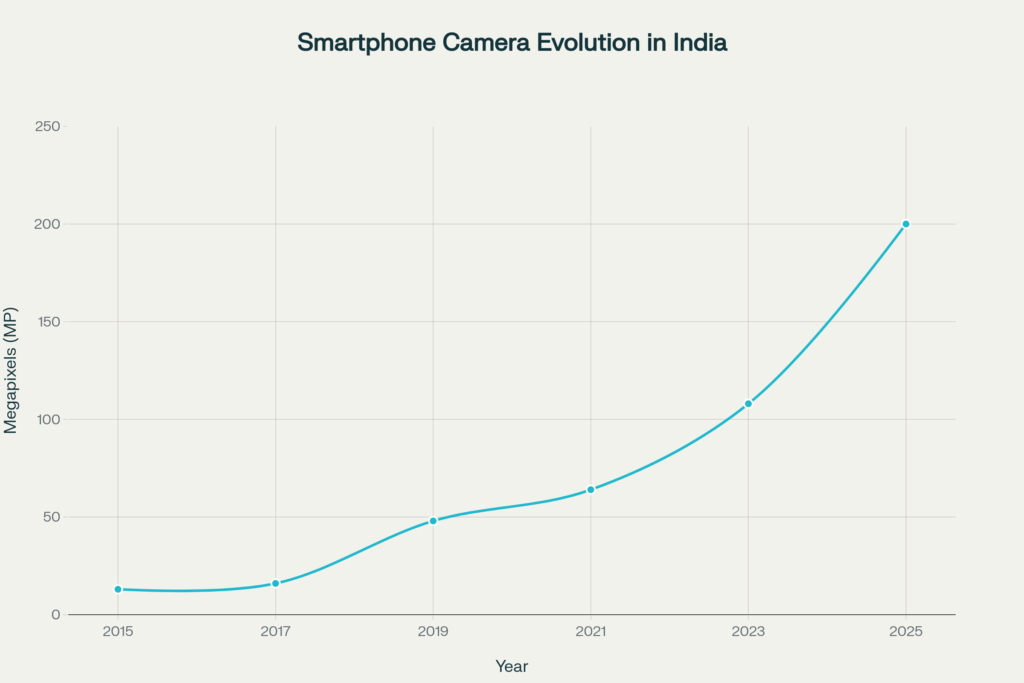
As you can see, the camera evolution has happened in the last 10 years in India.
Cameras have now become lighter, faster, and more versatile.
Smartphones are now powered by AI and computational photography, which help them produce studio-like images.
India has seen a photography revolution, which is driven by sleek smartphones rather than bulky cameras.
Smartphones have become a medium for artistic expressions and content creation; it is way easier than lugging around large cameras every day.
Smartphone Camera Capabilities in 2026
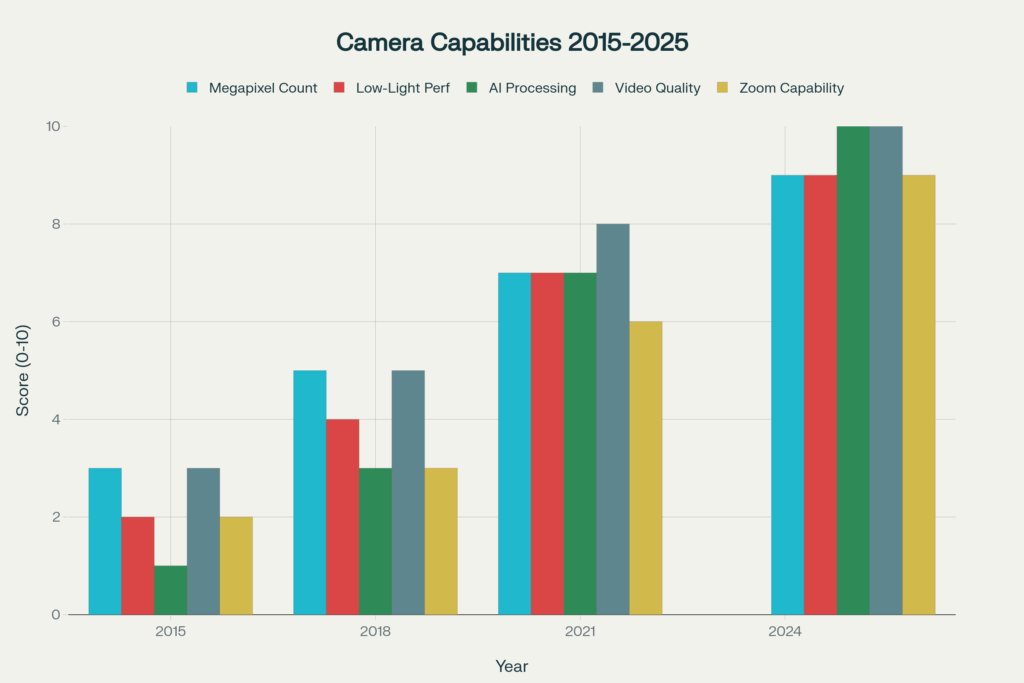
Today, smartphones offer AI processing, large sensors, and even multiple lenses that allow your phone to adapt to lighting conditions and shooting style.
There are many advanced features, such as periscope zoom, 8K recording, night mode, and even AI editing features.
AI is the key in today’s smartphone software.
AI can adjust almost all the settings, such as exposure, colour tones, and focus, automatically according to the scene.
Mobile Masterpieces | 11 Photo Editing Apps for Android To TRY
There are also modes such as astro mode, macro capture, and portrait lighting effects that were just available in bulky and costly cameras.
All the major phone brands, such as Samsung, Apple, Google, and OnePlus, are working on improving the colour accuracy, HDR optimisation, and other advanced features.
Checkout our latest quick guide on Best Camera Phones for Photography in India 2026.
Now, let us see some of the smartphones that have advanced cameras and are available in India.
Popular Smartphones in India with Advanced Cameras
| Image | Product Name | Pros | Cons | Buy |
|---|---|---|---|---|
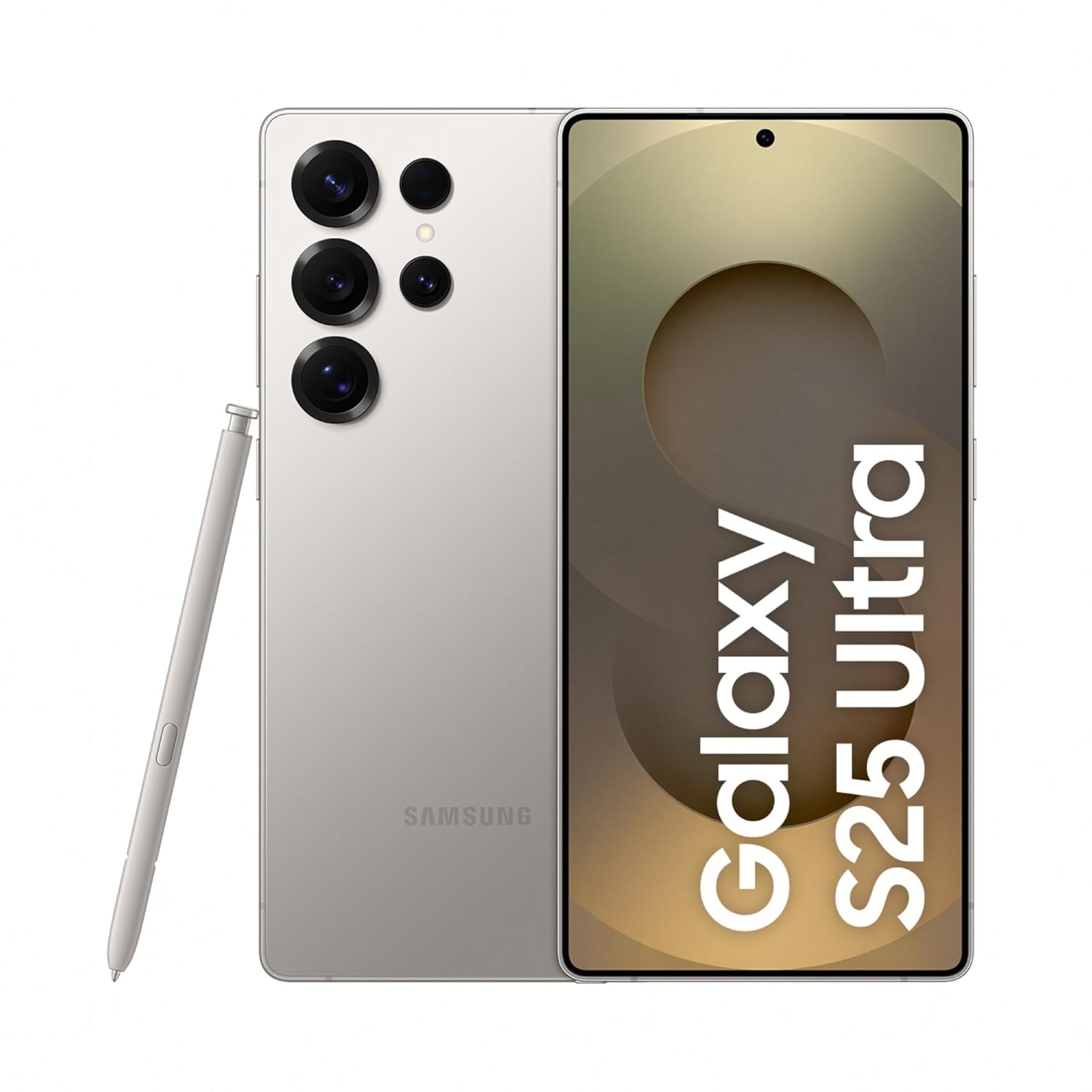 |
Samsung Galaxy S25 Ultra | • 200MP main camera • AI zoom optimisation • Great for night photography |
• High price point (for some) • Large size can be bulky |

|
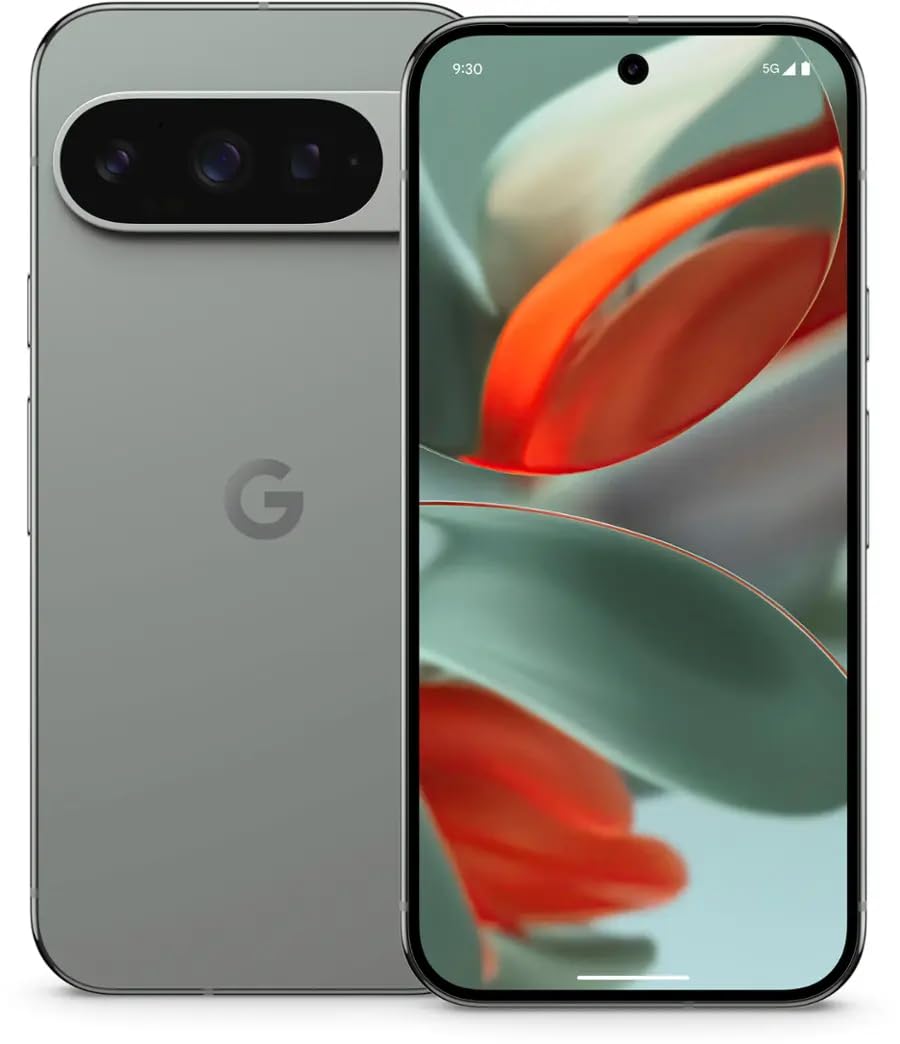 |
Google Pixel 9 Pro | • Top-notch AI processing • Unmatched photo realism |
• Moderate battery life • Less camera versatility |
|
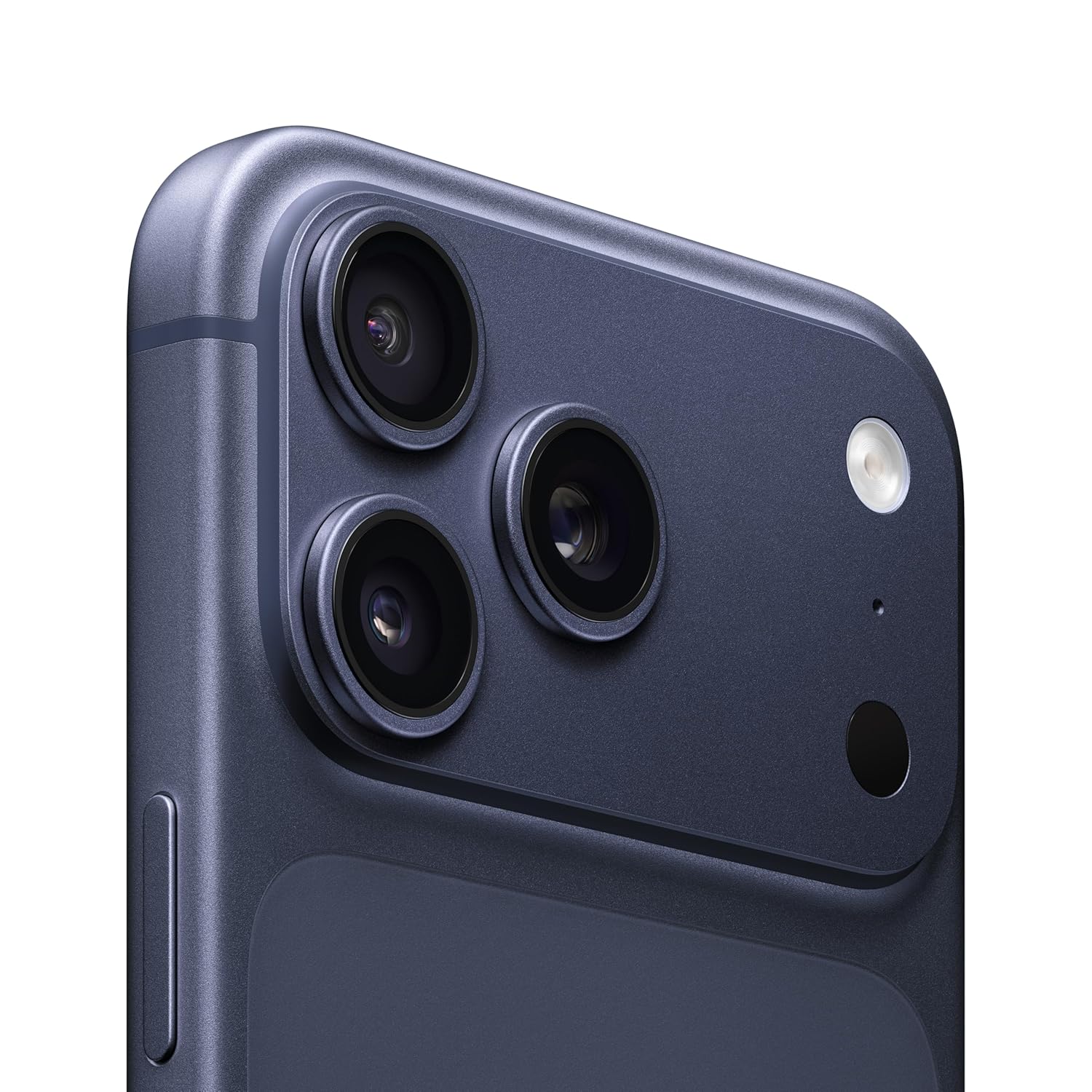 |
Apple iPhone 17 Pro Max | • Superior image stabilization • Cinematic videos and photos |
• Expensive • Limited manual control |
|
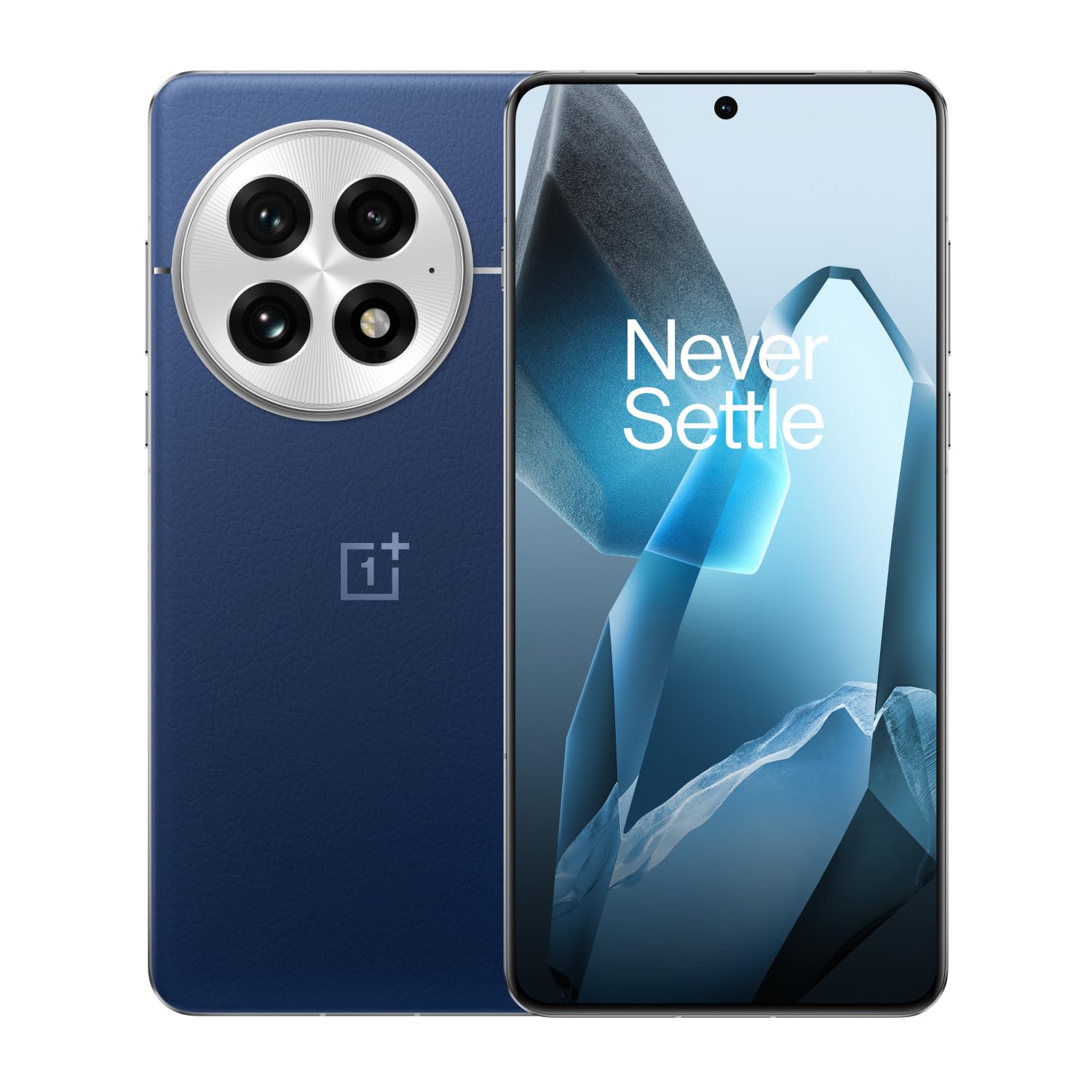 |
OnePlus 13 Pro | • Co-engineered with Hasselblad • Colour accuracy • AI-powered RAW processing |
• May lack software polish • Limited wide-angle features |
|
Samsung Galaxy S25 Ultra, This smartphone has a 200MP main camera, an AI zoom optimisation, and this is also great for night photography.
Google Pixel 9 Pro, This smartphone has top-notch AI processing and offers unmatched photo realism.
Apple iPhone 17 Pro Max, This has superior image stabilisation, and also cinematic videos and photos.
OnePlus 13 Pro, This was co-engineered with another company named Hasselblad, which also has colour accuracy and AI-powered RAW processing.
Now that we have discussed the popular smartphones with advanced cameras, let’s discuss how smartphones are better for photography.
Benefits of Using Smartphones for Photography
With all the technological advancements, smartphones have become the go-to way for Indians to engage with photography.
Smartphones make photography more spontaneous, convenient, creative, and much more.
Some of the most distinguished benefits of using smartphones for photography are
- Portable: Smartphones are way more portable than any other camera. Phone is always in reach, and you can capture anything, anywhere, anytime.
- Editing apps: After capturing the shot, you can even edit using the several apps available in the Play Store or App Store.
- Instant sharing: Using a smartphone, if you find the photos ok, you can upload them to your social media with just a few simple steps.
- Efficient: Instead of carrying different gears and equipment, you get everything in a compact device.
With benefits, there are some limitations to using a smartphone for photography as well. Now, let’s take a look at those.
Limitations of Smartphone Photography for Serious Photographers
Smartphones have surely made capturing moments a whole lot easier, but when it comes to professional cameras, it is no match for them.
Professional photographers depend on precision, dynamic control, as well as optical authenticity, and smartphones can face some difficulties here.
There are still some boundaries that separate professional cameras and smartphones.
Image Quality and Sensor Size
The main factor that affects the image quality is the sensor size.
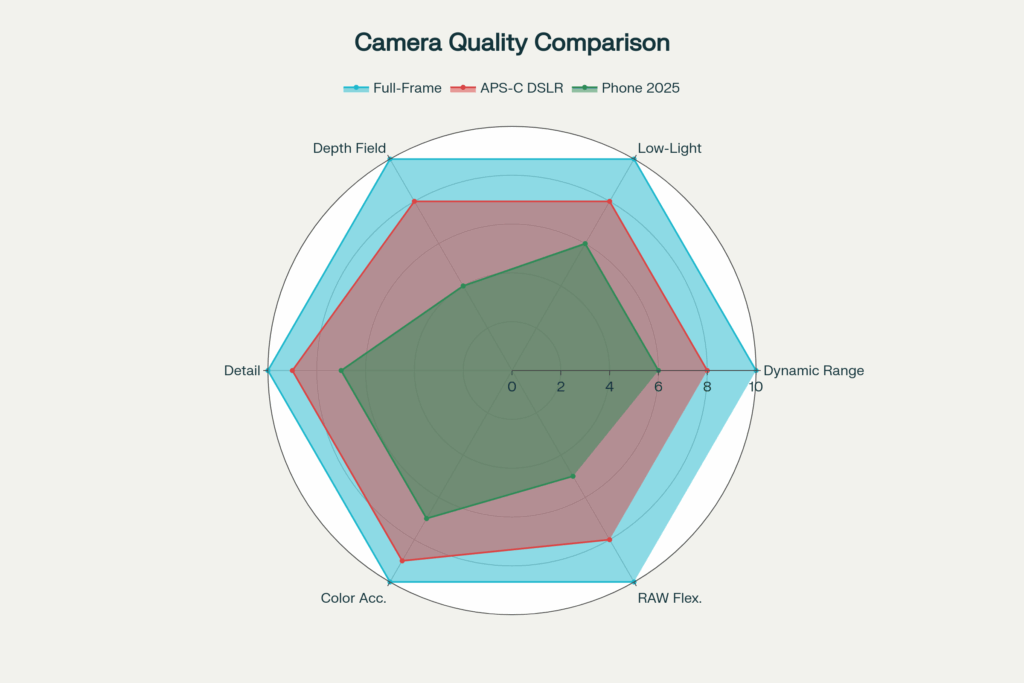
Now, in this, the smartphones fall behind, as they are compact there and can’t feature long lenses.
Don’t know which Lens works for you? Checkout our latest guide on How to Choose the Best Camera Lens: Types with Examples [2026].
Sensors allow the light to enter and determine the depth of the image.
Now, as smartphones have small sensors hence they allow less light intake and hence lower image depth. Although there are AI smoothing and other features but the quality still can’t match the DSLR quality.
Manual Controls and Lens Versatility
Professional photographers require total control over settings such as ISO, aperture, shutter speed, focus, and many more.
Nowadays, smartphones have “pro” modes that adjust all the settings according to the scene and make the job easier, but still can’t offer the same precision and flexibility.
Low Light and Dynamic Range Challenges
In low-light photography, due to the small sensors, there is noise, reduced sharpness, and artificial colour balance.
There is also an issue with the dynamic range, which controls the shadow and highlight details in the image.
Smartphones can’t fully replicate the optical precision, give control, and give a creative depth to the images.
Now that we know all the benefits and limitations of smartphones for photography, let’s discuss some signs you might see that might be an indication that it’s time for a change.
When to Upgrade from a Smartphone to a Camera in India?
Smartphones are great for everyday use, but you might need an upgrade to get better image quality.
Some telltale signs that it might be time for an upgrade to a camera can be as follows.
- You might get curious and find out what would happen if you change one setting or another. This also means that you crave creative control to get the best shots.
- You want to start taking photography seriously – whether it’s for content, freelance work, or professionally, you need a camera.
- You shoot in tricky conditions – if you shoot in tricky conditions frequently, such as in motion, dim lights, etc, then it is also time for an upgrade.
Now, the most plausible sign is if you want to move forward and make photography into a career rather than just a hobby.
After deciding that it’s time for an upgrade to a camera ow we need to choose the right camera for ourselves.
Choosing the Right Camera for Indian Photographers
Here’s a detailed guide to choosing the right cameras according to your particular criteria.
DSLR vs Mirrorless Comparison
Mirrorless cameras are lighter and more compact and making them better for travel.
DSLRs offer a longer battery life.
If you have portability, modern features the go mirrorless.
On the other hand, if you are budget-sensitive and want strong lens choices from the start, then a DSLR is the right choice.
| Feature | DSLR | Mirrorless |
|---|---|---|
| Design & Size | Larger, heavier body due to mirror mechanism | Compact, lightweight, and portable design |
| Viewfinder | Optical viewfinder with real-time clarity | Electronic viewfinder (EVF) with preview of settings |
| Autofocus Speed | Fast phase detection, especially for stills | Fast phase detection & contrast autofocus, better in video |
| Battery Life | Longer, can shoot more shots per charge | Shorter due to EVF and LCD use |
| Lenses & Compatibility | Wide range of lenses, including legacy mounts | Growing lens ecosystem, new mounts gaining popularity |
| Video Performance | Good video but limited by mirror design | Superior video capabilities, favored by videographers |
| Price Range | Generally affordable options for beginners to pros | Price varies; flagship models can be more expensive |
Budget Considerations and Where to Buy
The next step is the budget.
In India, you should set a realistic budget for everything, including a camera body, kit lens, and accessories.
You should also keep in mind the availability.
For deals, you can keep an eye on sales that go live online, such as Diwali, Independence Day, etc.
Still confused??? checkout our latest guide on How to Choose Your First Camera in India | Beginner’s Guide.
Recommended Beginner Cameras in India Under ₹50,000
Some good beginner and budget-friendly cameras available in the Indian market are mentioned below.
Some mirrorless options include the Canon EOS R100, Sony Alpha a6000, and Nikon Z50ll.
Some DSLR options are Canon EOS 200D-II and Canon EOS 1500D.
Checkout, our latest article on 7 Best Cameras Under ₹50000 in India | Top Picks Of 2026. If you’re planning to start a youtube channel then follow this guide on Best YouTube Camera Buying Guide 2026: Affordable Cameras (India).
How to Transition from Smartphone to Camera Smoothly
In the beginning, shifting from a smartphone to a camera can feel a bit intimidating, but with time, it can feel better.
In order to make the move a bit better, you can use the steps or suggestions mentioned below.
Learning Resources for New Camera Users
You can start by learning about the new gear.
There are many resources available, such as YouTube videos from channels like Pixel Village, Photography Pro India, etc.
There are also various online courses available for the same from platforms like Skillshare or Udemy.
You can even join workshops that are hosted by brands.
Make sure you check out our latest guide on Complete Photography Setup Guide for Beginners in India 2026 to master photography.
Essential Accessories
Some accessories are important to get the best experience from your new camera.
These accessories include
- A tripod: it gives a stable landscape, night, and long exposure shots.
- Memory cards: These are important for storage and 4k videos.
- Battery: carry an extra one as the camera battery drains faster than a phone’s.
- Camera bag: protects the gear and prevents damage during travel.
- Lens cleaning kit: to keep the lenses spotless for sharper images.
Quick guide on Top Camera Tripod To Buy From Amazon India (LOWEST Prices Ever).
Workflow Tips: Shooting, Editing, and Sharing
Workflow can honestly depend on you; every artist has a unique workflow that works best for them.
But in general steps, the workflow should go on as Shooting, editing, organising, sharing, and lastly refining.
These steps can be changed as you see fit for yourself.
Frequently Asked Questions (FAQ)
Now, some of the most asked questions on the comparison between smartphones and cameras are answered below.
Can I Get Professional Results with a Smartphone?
Yes, today smartphones have AI, multi-lens setups, and many other features that can produce images that are professional to an extent.
How Much Should I Budget for My First Camera in India?
You can get a starting-level DSLR or a mirrorless camera in India for Rs. 45,000- Rs. 60,000.
You can add another 5000-10,000 for accessories, and that should do it.
Are Mirrorless Cameras Better than DSLRs?
This debate can’t be settled; each one of them has its own pros and cons.
Such as mirrorless cameras are smaller and quieter; on the other hand, DSLRs are rugged and have a longer battery life.
The Right Time to Upgrade is When You Want to Create Better Art
In conclusion, we can say that upgrading from a smartphone to a camera can be quite a change and should be done when the need is felt and not a second before.
This upgrade can even lead to creative growth with the best choice for cameras.
The best camera doesn’t matter if it is a mirrorless or a DSLR; it should just inspire you to shoot more and learn new things.
This experience can be a step forward in your journey as an artist.
Read more
- How to Choose Your First Camera in India | Beginner’s Guide
- Ways To Earn Money From YouTube In India | Under 6 Months*
- Best Photography Lenses for Beginners in India 2026: Complete ₹5K-₹20K Guide
- Gimbal Guru: A Comprehensive Review of the Best Gimbals | 2026
- Mobile Photography Tips And Tricks To Capture Stunning Photos
- Photography Equipment Checklist for Beginners: From ₹30K To ₹1.5L
